Electric vs Solar Pond Aerators: Which One Should You Buy?
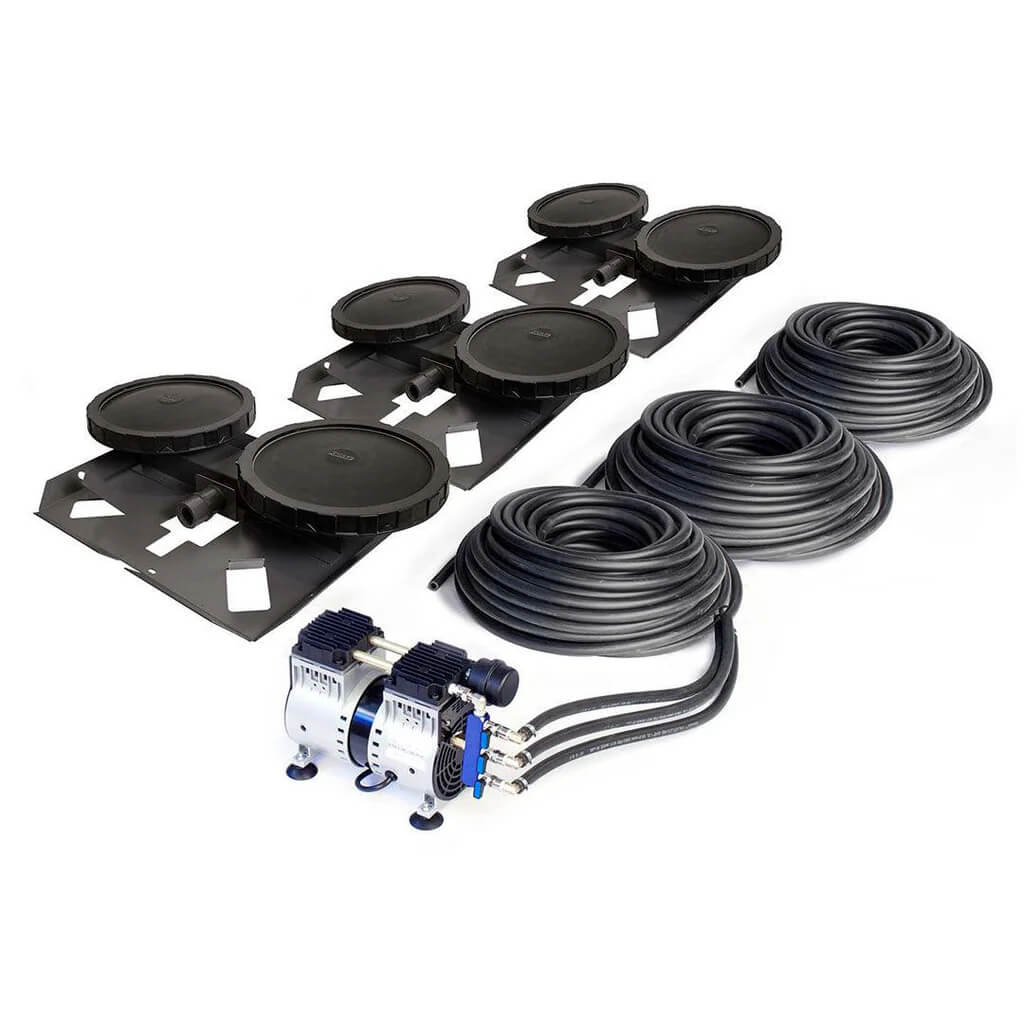
If you are choosing between electric and solar pond aerators, the best option depends on your pond size, location, and budget. Electric pond aeration systems give strong and constant power, making them ideal for large or deep ponds. Solar pond aerators are energy-efficient and cost less to run, but they depend on sunlight. If you want reliability, go electric. If you want savings and off-grid use, solar is better.
Electric vs Solar Pond Aerators: The Big Difference Most Buyers Miss
Choosing a pond aerator may look simple, but many people pick the wrong one. The biggest mistake is not understanding how power sources change performance. Electric systems run all day with strong airflow, while solar systems depend on sunlight. This difference can affect oxygen levels, water quality, and pond health. The right choice helps your pond stay clean, fresh, and full of life without constant problems.
- Electric = steady power anytime
- Solar = depends on sunlight
- Wrong choice can reduce oxygen levels
- Impacts pond health and fish survival
Are You Choosing the Right Aerator for Your Pond?
Many pond owners rush the buying decision. But every pond is different. A small backyard pond does not need the same aeration system as a large farm pond. If you choose wrong, you may face algae growth, bad smell, and low oxygen. The right pond aerator improves water circulation and keeps your ecosystem balanced. Think about your pond size, sunlight, and daily needs before deciding.
- Pond size matters a lot
- Oxygen needs vary by water type
- Wrong choice leads to poor water quality
- Right system improves aquatic life
How Electric Pond Aerators Work (And When They Perform Best)
Electric pond aeration systems use an air compressor or motor to push oxygen into water. They work day and night without stopping. This makes them very reliable for ponds that need constant oxygen flow. They are commonly used in fish ponds and large water bodies where stability is important. Even in cloudy weather, they perform the same, which makes them a strong long-term solution.
- Works with steady electricity supply
- Best for large or deep ponds
- Supports strong oxygen levels
- Helps reduce stagnant water
How Solar Pond Aerators Work in Real Conditions
Solar pond aerators use sunlight to power an aeration pump. During sunny hours, they work well and help improve water circulation. At night or during cloudy weather, performance can drop unless a battery backup is included. These systems are great for eco-friendly users who want low electricity bills. They are often used in small ponds or remote areas without power access.
- Runs on solar energy panels
- Best for sunny locations
- Ideal for small ponds
- May need battery backup
Key Differences: Power Source, Efficiency & Maintenance
Electric and solar pond aeration systems differ in how they work, how much energy they use, and how much care they need. Electric systems offer stable power but use electricity. Solar systems save energy but depend on weather. Maintenance is also different, as solar systems may need panel cleaning while electric systems need wiring checks. Understanding these differences helps you make a smarter choice.
- Electric = stable but uses grid power
- Solar = eco-friendly but weather dependent
- Maintenance varies by system type
- Efficiency depends on pond conditions
Pros and Cons of Electric Pond Aerators You Should Know
Electric pond aerators are powerful and reliable, but they also have some downsides. They are great for keeping oxygen levels steady and improving pond health. However, they increase electricity costs over time. If you want strong and continuous performance, electric is a solid choice. But if saving energy is your goal, you may need to compare carefully.
- Strong oxygen output
- Works 24/7 without sunlight
- Higher electricity cost
- Best for large ponds
Benefits of Solar Pond Aerators (Low Cost, Off-Grid Advantage)
Solar pond aerators are becoming popular because they save money and use clean energy. They are perfect for areas without electricity. They help improve water quality and reduce algae growth during the day. Over time, they lower running costs and support eco-friendly pond management. Many users choose them for small or medium ponds.
- No electricity bill
- Eco-friendly energy source
- Easy installation
- Best for off-grid ponds
Which Aerator Fits Your Pond Size, Budget & Climate?
Your pond type decides everything. Small backyard ponds work well with solar systems. Large fish ponds need electric systems for strong oxygen supply. If you live in a sunny region, solar is more effective. If your area has cloudy weather, electric is safer. Always match your aerator to your pond’s real needs, not just price.
- Small ponds = solar option
- Large ponds = electric system
- Sunny climate = solar works best
- Cloudy areas = electric is reliable
Cost Comparison: Long-Term Savings Breakdown
Electric pond aeration systems cost less to install but more in monthly bills. Solar systems cost more upfront but save money later. Over 3–5 years, solar can reduce energy costs significantly. Electric systems are better if you want instant affordability. Think long-term before choosing because pond maintenance depends on consistent aeration.
- Electric = low setup cost
- Solar = higher upfront cost
- Solar saves long-term money
- Electric has monthly bills
Electric or Solar: Which One Should You Actually Buy?
If you want strong, non-stop performance for large ponds, electric is the best choice. If you want savings and eco-friendly operation for small ponds, solar is better. Both improve oxygen levels and water quality when used correctly. Your decision should depend on pond size, weather, and budget. There is no one-size-fits-all answer.
- Electric = power + reliability
- Solar = savings + sustainability
- Choose based on pond needs
- Both improve pond health
Where to Start: Choosing the Right Pond Aerator Today
Start by checking your pond size, sunlight hours, and budget. Then compare features like air compressor strength, diffuser system quality, and energy efficiency. Look for a high-quality pond aeration system that matches your needs. A good pond aerator is not just a tool—it is long-term care for your water ecosystem.
- Check pond size first
- Compare power options
- Look for energy efficiency
- Choose trusted aerator systems
Ready to improve your pond health? The right pond aerator can completely change your water quality.
FAQS
Which is better, electric or solar pond aerators?
- Electric is better for large ponds, while solar is better for small ponds and off-grid use.
Do pond aeration systems really improve water quality?
- Yes, they increase oxygen levels, reduce algae, and improve overall pond health.
Can solar pond aerators work at night?
- Only if they have a battery backup system installed.
Are electric pond aerators expensive to run?
- They use electricity, so they can increase monthly energy costs over time.
What size pond needs an aerator?
- All ponds benefit, but larger ponds and fish ponds need stronger systems.
Final Recommendation Based on Your Pond Type
For fish ponds, aquaculture systems, and large water bodies, electric pond aeration systems are highly recommended. For backyard or small ponds, solar systems work well and reduce costs. Always aim to improve water circulation and prevent stagnant water. A good choice will support aquatic life and keep your pond clean year-round.
- Large ponds → electric system
- Small ponds → solar system
- Focus on oxygen improvement
- Choose based on ecosystem needs